Dive into the world of laptop repair troubleshooting tips where we unravel the mysteries of common issues and provide easy solutions to keep your device running smoothly. Get ready for a journey filled with practical advice and expert tips!
When it comes to laptop repair, knowing how to diagnose hardware problems, solve software issues, and maintain your device is crucial. Let’s explore the ins and outs of keeping your laptop in top shape.
Laptop Repair Troubleshooting Tips
When it comes to dealing with laptop issues, knowing how to troubleshoot common problems can save you time and money. From hardware malfunctions to software glitches, here are some tips to help you diagnose and fix laptop issues.
Common Laptop Issues
- Slow performance: If your laptop is running sluggishly, it could be due to too many programs running in the background or a lack of system resources.
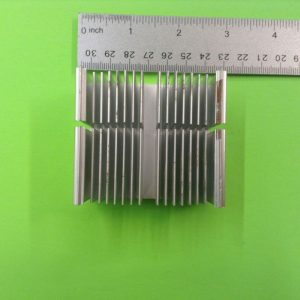
- Overheating: Laptops can overheat if the cooling system is blocked or malfunctioning, leading to performance issues and potential hardware damage.
- Blue screen of death (BSOD): This is a common hardware or software issue that can be caused by faulty hardware drivers or system files.
- Wi-Fi connectivity problems: Issues with connecting to Wi-Fi networks can stem from driver issues, network settings, or signal interference.
Diagnosing Hardware Problems
When facing hardware issues, follow these steps to diagnose the problem:
- Check all physical connections and cables to ensure everything is properly connected.
- Run hardware diagnostics to identify any faulty components.
- Clean the laptop’s internal components, such as fans and vents, to prevent overheating.
Software Solutions for Performance Issues
If your laptop is experiencing performance issues, consider these software solutions:
- Update your operating system and software programs to ensure you have the latest patches and bug fixes.
- Remove unnecessary programs and files to free up space and improve system performance.
- Run malware scans regularly to detect and remove any malicious software that could be impacting performance.
Maintaining a Healthy Laptop
To prevent future laptop problems, follow these maintenance tips:
- Keep your laptop clean by regularly dusting off the keyboard, screen, and vents.
- Avoid eating or drinking near your laptop to prevent spills and damage to internal components.
- Use a cooling pad to help regulate your laptop’s temperature and prevent overheating.
Computer Repair and Consulting
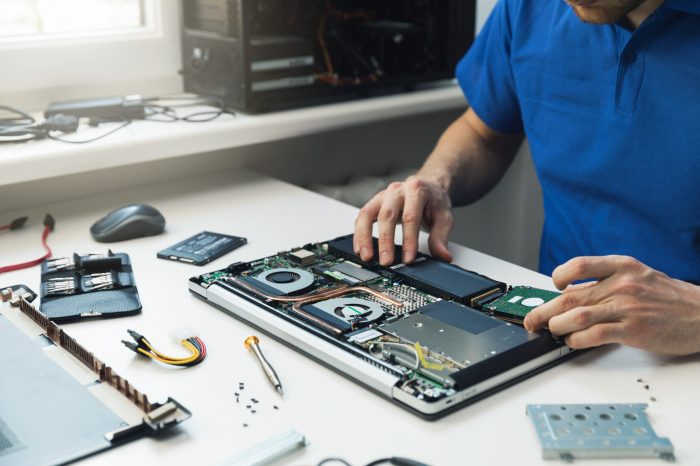
When it comes to computer repair and consulting, the role of technicians is crucial in troubleshooting both hardware and software issues. These professionals are trained to diagnose and fix problems efficiently, ensuring that your device runs smoothly.
Importance of Professional Consulting
Consulting with professional computer repair technicians is essential for complex computer problems that may be beyond your expertise. They have the knowledge and experience to tackle difficult issues and provide effective solutions.
Scenarios Requiring Professional Services
- Hardware failures such as a malfunctioning hard drive or motherboard.
- Software issues like viruses, malware, or corrupted operating systems.
- Network problems such as connection issues or slow internet speeds.
Tips for Finding Reliable Services
- Ask for recommendations from friends or family who have used computer repair services.
- Check online reviews and ratings of computer repair companies to gauge their reputation.
- Inquire about the qualifications and certifications of the technicians working for the repair service.
- Get a written estimate of the repair costs before authorizing any work to be done.
Data Communication
Data communication is the process of exchanging data between two devices through a transmission medium such as cables, optical fibers, or wireless networks. It plays a crucial role in computer systems as it allows devices to communicate and share information with each other.
Common Data Communication Protocols
- Transmission Control Protocol (TCP): Ensures reliable and ordered delivery of data packets over a network.
- Internet Protocol (IP): Manages the addressing and routing of data packets between devices.
- HyperText Transfer Protocol (HTTP): Used for transmitting and receiving web pages on the internet.
- File Transfer Protocol (FTP): Facilitates the transfer of files between computers on a network.
Data Transmission in Networks
- Data is transmitted in the form of digital signals through the network medium.
- Devices communicate by sending data packets containing information and addressing details.
- Network devices such as routers and switches help route data packets to their intended destinations.
- Transmission speed, bandwidth, and network congestion can affect the efficiency of data transmission.
Tips for Troubleshooting Data Communication Issues
- Check network cables and connections for any physical damage or loose connections.
- Verify network settings and configurations to ensure proper IP addressing and subnetting.
- Use network monitoring tools to diagnose network traffic, identify bottlenecks, and troubleshoot performance issues.
- Update network device firmware and drivers to ensure compatibility and stability.
Computers E-Books
E-books have revolutionized the way we access and consume information, especially in the realm of computer science and technology. They offer numerous benefits such as portability, accessibility, and cost-effectiveness, making them an essential resource for computer enthusiasts.When it comes to must-read e-books for computer enthusiasts, a few recommendations stand out. “The Pragmatic Programmer” by Andrew Hunt and David Thomas is a classic that provides practical advice on software development.
“Code: The Hidden Language of Computer Hardware and Software” by Charles Petzold is another essential read that delves into the fundamentals of coding.To access, store, and manage e-books on different devices, it’s important to use compatible e-reader apps such as Kindle, Apple Books, or Google Play Books. Syncing your e-books across devices ensures you can pick up where you left off seamlessly.E-books play a crucial role in self-learning in computer science and technology by providing a wealth of knowledge at your fingertips.
They allow you to explore new topics, deepen your understanding of complex concepts, and stay updated on the latest trends in the industry.
Benefits of E-Books in Computer Science
- Easily accessible on multiple devices
- Cost-effective compared to traditional textbooks
- Environmentally friendly by reducing paper waste
- Ability to search and bookmark key information
Graphics and Multimedia
Graphics and multimedia play a crucial role in modern computing, enhancing user experience and enabling creative expression through visual and audio elements.
Common Graphics and Multimedia Issues
- Blurry or distorted images/videos: This could be due to outdated graphics drivers or incompatible multimedia software. Update drivers and software to resolve this issue.
- No sound in multimedia files: Check audio settings, ensure speakers are connected properly, and update audio drivers if necessary.
- Screen flickering or freezing: This may indicate a problem with the graphics card or overheating. Clean the internal components and ensure proper ventilation.
Troubleshooting Tips
- Update Graphics Drivers: Regularly update graphics drivers to ensure compatibility with multimedia software and improve performance.
- Check Hardware Connections: Ensure all cables and connections related to multimedia devices are secure and functioning properly.
- Adjust Display Settings: Modify display settings such as resolution and color depth to optimize graphics performance.
Resources for Graphics Design and Multimedia Development
- Online Courses: Platforms like Coursera and Udemy offer courses on graphics design and multimedia development.
- Graphic Design Software: Adobe Creative Cloud and Canva are popular tools for graphic design and multimedia projects.
- Community Forums: Join forums like Stack Overflow or Reddit to interact with professionals and enthusiasts in the graphics and multimedia field.
Computers Hardware
In this section, we will delve into the essential components of computer hardware, common problems users may encounter, the importance of regular maintenance, and tips for upgrading hardware effectively.
Essential Computer Hardware Components and Functions
- CPU (Central Processing Unit): The brain of the computer, responsible for executing instructions and processing data.
- RAM (Random Access Memory): Temporary storage for data and program instructions that the CPU needs to access quickly.
- Hard Drive: Stores data and files permanently on the computer.
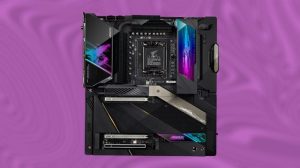
- Motherboard: Connects all the hardware components and allows communication between them.
- Graphics Card: Responsible for rendering images and videos on the computer screen.
Common Hardware Problems and Troubleshooting
- Overheating: Ensure proper ventilation, clean dust build-up, and consider using a cooling pad.
- Slow Performance: Check for malware, upgrade RAM, or consider replacing the hard drive with a faster SSD.
- Hardware Failure: Run diagnostic tests, check connections, and consider replacing the faulty component.
Importance of Regular Hardware Maintenance
- Regular hardware maintenance can prolong the lifespan of your computer and prevent costly repairs.
- Cleaning dust, updating drivers, and monitoring temperatures are essential for optimal performance.
- Periodic hardware checks can help identify potential issues before they escalate into major problems.
Tips for Upgrading Computer Hardware Components
- Research compatibility before purchasing new hardware components to ensure they will work with your existing system.
- Consider upgrading RAM for improved multitasking or swapping out a hard drive for faster storage.
- Follow manufacturer instructions carefully when installing new hardware to avoid damaging components.
Conclusion
In conclusion, mastering laptop repair troubleshooting tips is essential for every user. By following the advice shared here, you can tackle any issue that comes your way and ensure your laptop stays healthy and efficient. Stay tech-savvy and keep troubleshooting!
Question & Answer Hub
How can I prevent my laptop from overheating?
To prevent overheating, make sure to clean the vents regularly and use a cooling pad for better airflow.
What should I do if my laptop screen goes black suddenly?
Try adjusting the screen brightness, checking the power source, and if needed, seek professional help for further diagnosis.
Why is my laptop running slow even after I’ve cleared up storage space?
Your laptop may be running slow due to background programs or malware. Try disabling startup programs and running a virus scan to improve performance.
Is it safe to update my laptop’s drivers regularly?
Yes, updating your laptop’s drivers regularly can help improve performance and security. Just make sure to download drivers from official sources.
How often should I back up my data on my laptop?
It’s recommended to back up your data at least once a week to prevent data loss in case of hardware failure or system crashes.