Embark on a journey through the realm of Data communication for smart cities, where innovation meets efficiency in a harmonious blend. Brace yourself for an enlightening exploration!
As we delve deeper, we uncover the intricate web of communication systems that pave the way for a smarter urban landscape, promising connectivity like never before.
Computer Repair and Consulting
Regular maintenance is crucial in preventing computer issues, as it helps identify and address potential problems before they escalate. Consulting firms offer a range of computer repair services to ensure the smooth operation of devices and systems. Outsourcing these services can provide several benefits, such as access to expertise, cost-effectiveness, and increased efficiency.
Common Computer Repair Services
- Hardware diagnostics and repair
- Software troubleshooting and installation
- Virus and malware removal
- Data recovery and backup solutions
- Network setup and configuration
Benefits of Outsourcing Computer Repair and Consulting Services
- Expertise: Consulting firms have skilled professionals who can efficiently diagnose and fix computer issues.
- Cost-effectiveness: Outsourcing eliminates the need for an in-house IT department, reducing operational costs.
- Efficiency: By delegating computer repair tasks to experts, businesses can focus on their core operations and improve productivity.
- 24/7 Support: Many consulting firms offer round-the-clock support to address urgent computer issues promptly.
Data Communication

Data communication plays a crucial role in the functioning of smart cities, enabling the exchange of information between various devices, sensors, and systems. This communication network forms the backbone of smart city infrastructure, facilitating real-time data collection, analysis, and decision-making processes.
Types of Data Communication Protocols
- Internet Protocol (IP): IP is the foundation of modern internet communication and is widely used in smart city systems to enable data transmission between devices.
- Bluetooth: Bluetooth technology allows for short-range wireless communication between devices, making it ideal for connecting sensors, meters, and other IoT devices in smart cities.
- Zigbee: Zigbee is a low-power, low-data-rate wireless communication protocol commonly used in smart city applications like smart lighting, environmental monitoring, and energy management.
- LoRaWAN: LoRaWAN is a long-range, low-power wireless communication protocol that enables connectivity for IoT devices over a wide area, making it suitable for smart city deployments.
Challenges of Secure Data Communication
Secure data communication in smart city infrastructure faces several challenges, including:
- Encryption: Ensuring that data transmitted between devices is encrypted to prevent unauthorized access and data breaches.
- Data Integrity: Verifying that data remains unchanged during transmission to maintain its accuracy and reliability.
- Authentication: Implementing authentication mechanisms to verify the identity of devices and users accessing the network.
- Network Vulnerabilities: Identifying and addressing potential vulnerabilities in the communication network to prevent cyber attacks and data leaks.
Computers E-Books
In today’s digital age, e-books have revolutionized the way we access and consume information. When it comes to computer-related topics, e-books offer numerous advantages over traditional physical books.E-books provide instant access to a vast library of resources at your fingertips. With just a few clicks, you can download e-books on various computer hardware and software topics, making it convenient for individuals looking to expand their knowledge in the field.Moreover, e-books are often more cost-effective than physical books, as they eliminate printing and shipping costs.
This makes it easier for tech enthusiasts and professionals to stay updated with the latest trends and developments in the ever-evolving world of computers.
Advantages of E-Books for Computer-related Topics
- Ease of access and portability
- Cost-effectiveness
- Search functionality for quick reference
- Interactive features like hyperlinks and multimedia content
Accessibility of E-Books vs. Physical Books
- E-books can be accessed anytime, anywhere with an internet connection
- No need to carry around heavy physical books
- Ability to adjust font size and customize reading preferences
- Environmentally friendly option, reducing paper consumption
Must-Read E-Books on Computer Hardware and Software
- “Computer Organization and Design” by David A. Patterson and John L. Hennessy
-A comprehensive guide to computer architecture and design principles. - “Clean Code: A Handbook of Agile Software Craftsmanship” by Robert C. Martin
-Essential reading for software developers looking to write clean, maintainable code. - “The Phoenix Project: A Novel about IT, DevOps, and Helping Your Business Win” by Gene Kim, Kevin Behr, and George Spafford
-An engaging story that explores the challenges of IT management and DevOps practices.
Graphics and Multimedia
Graphics and multimedia play a crucial role in enhancing computer applications by providing visual elements and interactive content that engage users and improve overall user experience.
Significance of Graphics and Multimedia
Graphics and multimedia are essential components of computer applications as they help in conveying information effectively through visual representations. They make the user interface more appealing and user-friendly, leading to increased user engagement and satisfaction. By incorporating high-quality graphics and multimedia content, developers can create immersive experiences that captivate users and enhance the overall usability of the application.
Impact of High-Quality Graphics on User Experience
- High-quality graphics enhance the aesthetics of the application, making it visually appealing and attractive to users.
- They help in conveying complex information in a more understandable and engaging manner, improving user comprehension.
- Interactive multimedia elements such as videos, animations, and audio enhance user engagement and create a more dynamic user experience.
- Well-designed graphics and multimedia content can evoke emotions and create a lasting impression on users, leading to increased brand loyalty and user retention.
Software Tools for Creating Graphics and Multimedia Content
- Adobe Photoshop: A popular software for creating and editing images, illustrations, and graphics.
- Adobe Illustrator: Ideal for creating vector graphics and illustrations for web and print.
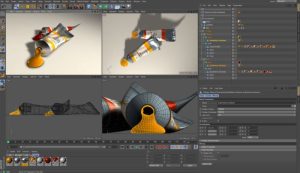
- Autodesk 3ds Max: Used for 3D modeling, animation, and rendering.
- Blender: An open-source 3D creation suite for modeling, rigging, animation, simulation, rendering, compositing, and motion tracking.
- Adobe Premiere Pro: A video editing software for creating professional-looking videos with high-quality graphics and effects.
Computers Hardware
In the realm of technology, computer hardware plays a vital role in the functioning of various devices. From desktops to laptops and servers, each type of hardware serves a specific purpose in the digital world. Let’s delve into the key components of a computer hardware setup, compare different types of computer hardware, and explore the latest trends in computer hardware technology and their implications.
Key Components of Computer Hardware Setup
- Central Processing Unit (CPU): Often referred to as the brain of the computer, the CPU processes instructions and performs calculations.
- Random Access Memory (RAM): This volatile memory allows the computer to access data quickly for processing.
- Hard Drive: The hard drive stores data permanently on the computer, including the operating system, programs, and files.
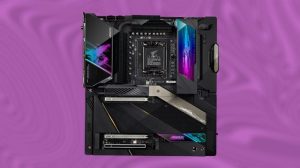
- Motherboard: The motherboard acts as the main circuit board connecting all components of the computer.
- Graphics Processing Unit (GPU): Responsible for rendering images and videos on the computer screen.
Comparison of Different Types of Computer Hardware
- Desktops: Typically used in office or home settings, desktop computers offer more customization options and power compared to laptops.
- Laptops: Portable and compact, laptops are ideal for users who need mobility but sacrifice some power and customization options.
- Servers: Designed for managing network resources, servers are powerful computers used for data storage, processing, and hosting websites or applications.
Latest Trends in Computer Hardware Technology
- SSD Storage: Solid State Drives (SSDs) are becoming increasingly popular due to their faster read and write speeds compared to traditional Hard Disk Drives (HDDs).
- AI Integration: Artificial Intelligence (AI) is being integrated into computer hardware to enhance performance and efficiency in tasks like data processing and analysis.
- Quantum Computing: The development of quantum computers promises a significant leap in processing power and capabilities, revolutionizing the technology landscape.
- IoT Devices: The rise of Internet of Things (IoT) devices has spurred the need for specialized hardware to support interconnected smart devices and systems.
Closing Summary
In conclusion, Data communication for smart cities stands as the cornerstone of modern urban development, creating a network of possibilities that propel cities into a technologically advanced era.
FAQ Compilation
How does data communication contribute to making cities smarter?
Data communication forms the backbone of smart city initiatives, enabling real-time information exchange and efficient resource management.
What are some common challenges faced in ensuring secure data communication in smart city infrastructure?
Security threats, data privacy concerns, and the need for robust encryption protocols are key challenges in safeguarding data communication within smart cities.
Why is it essential to identify different types of data communication protocols used in smart city systems?
Understanding diverse protocols helps in optimizing data transmission, ensuring compatibility across various devices and systems within a smart city framework.