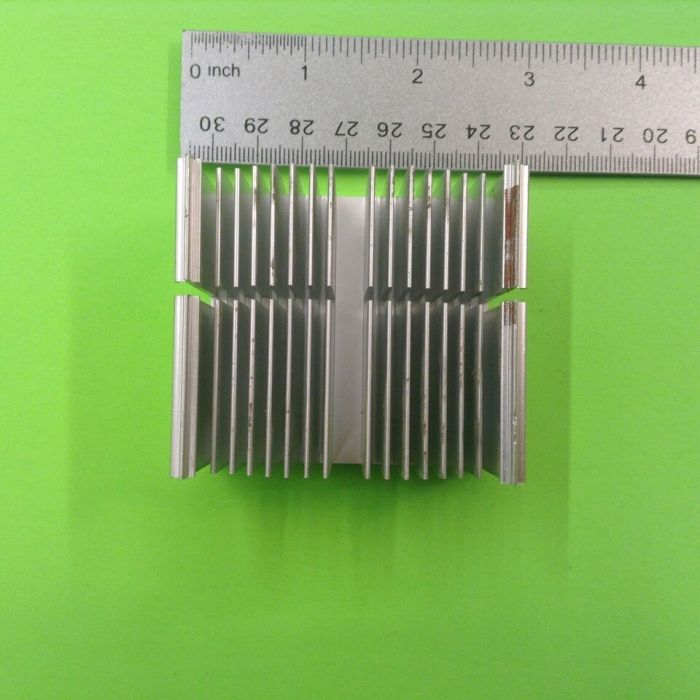
Computer cooling systems and options sets the stage for this enthralling narrative, offering readers a glimpse into a story that is rich in detail with entertaining interactive style and brimming with originality from the outset.
From air cooling to liquid cooling, we dive into the world of cooling solutions for your beloved computer, exploring the various options available to keep your system running smoothly and efficiently.
Computer cooling systems and options
Computer cooling systems are essential for maintaining optimal performance by preventing overheating, which can lead to hardware damage and reduced efficiency.
Air cooling vs. liquid cooling systems
When it comes to cooling options for computers, two main types are air cooling and liquid cooling systems. Let’s compare and contrast these two:
- Air Cooling: Uses fans and heatsinks to dissipate heat from the CPU and other components. It is cost-effective and easy to install, but may not be as efficient as liquid cooling.
- Liquid Cooling: Involves a closed-loop system with a pump, radiator, and water block to transfer heat away from components. It is more efficient at cooling, but can be more expensive and complex to set up.
Different types of cooling options
There are several cooling options available for computers, including:
- Fans: Traditional air cooling method using fans to circulate air and cool components.
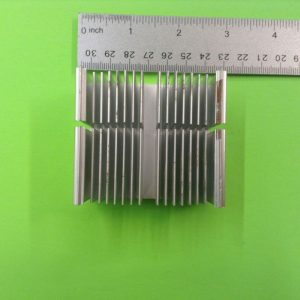
- Heatsinks: Metal heat exchangers that absorb and dissipate heat from the CPU or GPU.
- Water Blocks: Components that come in contact with the CPU or GPU and transfer heat to the liquid cooling system.
Factors to consider when choosing a cooling system
When selecting a cooling system for your computer, it’s important to consider the following factors:
- Budget: Determine how much you are willing to spend on a cooling system, as liquid cooling can be more expensive than air cooling.
- Cooling Efficiency: Consider the cooling performance of the system and whether it can effectively keep your components at safe temperatures.
- Noise Level: Some cooling systems can be noisy, so if noise is a concern, look for quieter options.
Computer Repair and Consulting
When it comes to computer cooling systems, issues can arise that may require repair. These issues can lead to overheating and potential damage to your computer components. Troubleshooting cooling system problems and seeking professional consulting can help prevent these issues and ensure optimal performance.
Common Computer Cooling System Issues
- Blocked airflow due to dust buildup
- Malfunctioning fans or pump
- Thermal paste degradation
- Clogged radiator or water block
Troubleshooting Cooling System Problems
- Check for dust buildup and clean the components
- Ensure fans are functioning properly
- Monitor temperatures to detect any abnormalities
- Inspect coolant levels in liquid cooling systems
Benefits of Professional Consulting
- Expert diagnosis of cooling system issues
- Recommendations for optimal cooling system setup
- Access to specialized tools and equipment for repairs
- Preventative maintenance advice to avoid future issues
Role of Regular Maintenance
Regular maintenance is essential in preventing cooling system failures and ensuring the longevity of your computer. By cleaning components, replacing thermal paste, and monitoring system temperatures, you can avoid costly repairs and improve overall performance.
Data Communication
Efficient cooling systems play a crucial role in ensuring better data communication within computers. By maintaining optimal operating temperatures, these systems help prevent overheating, which can have a significant impact on data transmission and processing speed.
Impact of Overheating
Overheating can lead to thermal throttling, where the computer reduces its performance to prevent damage from excessive heat. This can result in slower data transmission speeds and decreased overall system efficiency.
Maintaining Data Integrity and System Stability
Cooling systems help in maintaining data integrity by preventing errors or data corruption that may occur due to overheating. By keeping the components cool, these systems ensure stable operation and reduce the risk of system crashes or data loss.
Examples of Technologies
- High-performance computing clusters rely on liquid cooling systems to dissipate heat efficiently and maintain optimal operating temperatures.
- Data centers use precision air conditioning systems to regulate temperature and humidity levels, ensuring reliable data communication across servers.
- Overclocking enthusiasts utilize advanced cooling solutions such as liquid nitrogen or phase-change cooling to push the limits of their systems while maintaining stability for data-intensive tasks.
Computers E-Books
Computer cooling systems are crucial for the longevity of electronic devices like e-books. These systems help regulate the temperature of the device, preventing overheating which can damage internal components and reduce the lifespan of the device.Heat dissipation is directly related to battery life in computers and e-books. When a device overheats, it puts a strain on the battery, causing it to drain faster.
By using effective cooling solutions, users can maintain a stable temperature and extend the battery life of their devices.Cooling solutions play a significant role in ensuring optimal performance when using e-books on computers. When the device stays cool, the processor can work efficiently without throttling, providing a seamless reading experience for users.
Tips to Prevent Overheating Issues
- Ensure proper ventilation by not blocking air vents or fans on the device.
- Use a laptop cooling pad to help dissipate heat more effectively.
- Avoid using the device on soft surfaces like a bed or pillow, as it can block airflow and trap heat.
- Close unnecessary applications and tabs to reduce the workload on the processor and prevent overheating.
- Regularly clean the dust and debris from the device’s cooling system to maintain optimal airflow.
Graphics and Multimedia
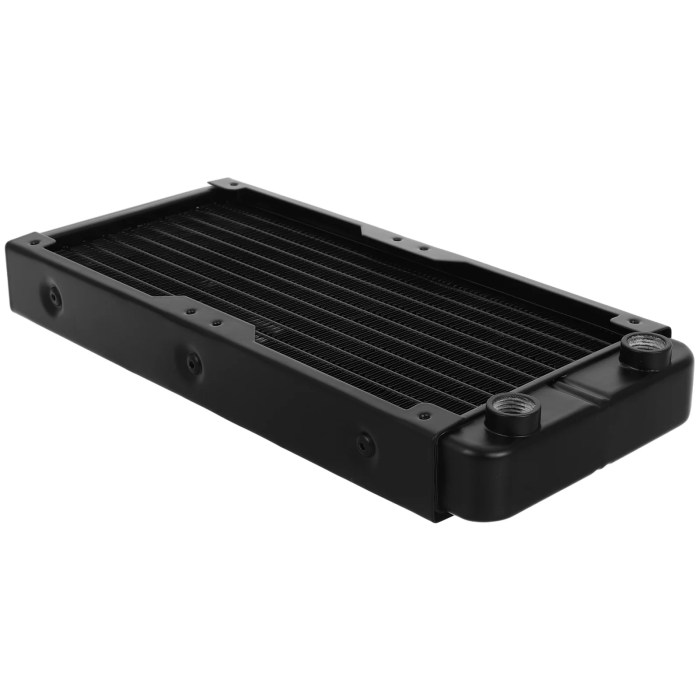
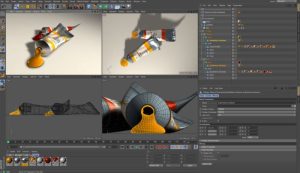
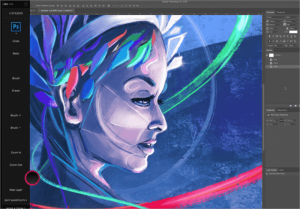
Computer cooling systems play a crucial role in enhancing the performance of graphics and multimedia tasks on computers. Efficient cooling solutions can prevent lagging, overheating, and other performance issues that may arise during graphic-intensive applications.
Impact of Cooling Systems on Graphics and Multimedia Performance
- Proper cooling systems help maintain optimal temperatures for the GPU and CPU, ensuring smooth operation of graphic-intensive software.
- Enhanced cooling can prevent thermal throttling, which can affect the rendering speed and quality of multimedia content.
- Improved cooling solutions contribute to overall system stability, allowing graphic designers and multimedia creators to work efficiently without interruptions.
Role of Cooling Solutions in Enhancing Rendering Capabilities
- Efficient cooling solutions enable computers to render complex graphics and multimedia content faster and with higher precision.
- By maintaining lower temperatures, cooling systems help the GPU and CPU perform at their best, resulting in quicker rendering times for animations, videos, and 3D models.
- Optimal cooling can also prolong the lifespan of hardware components, ensuring long-term reliability for graphic design and multimedia production.
Preventing Lagging and Overheating During Multimedia Tasks
- Effective cooling techniques such as liquid cooling, high-performance fans, and heat sinks can prevent system lagging and overheating when working on graphics-intensive projects.
- Proper ventilation and airflow management are essential to dissipate heat generated during multimedia tasks, ensuring consistent performance without thermal issues.
- Cooling solutions like thermal paste application and regular maintenance help optimize heat transfer and prevent overheating during demanding multimedia processes.
Cooling Techniques for Graphic Design and Multimedia Production
- Water cooling systems provide efficient heat dissipation for high-end GPUs and CPUs used in graphic design and multimedia production.
- Aftermarket GPU coolers with larger heatsinks and more powerful fans can improve thermal performance for intensive graphic rendering tasks.
- Custom cooling loops with advanced radiators and pumps offer precise temperature control for overclocked systems used in professional multimedia editing.
Computers Hardware
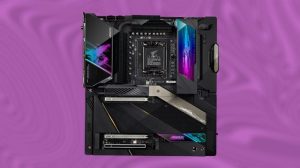
When it comes to computer hardware components, the need for effective cooling systems is crucial to ensure optimal performance and longevity of the system. The various hardware components such as the CPU, GPU, and RAM generate heat during operation, which can lead to overheating if not properly managed.
CPU
The CPU, or central processing unit, is often referred to as the “brain” of the computer. It is responsible for executing instructions and performing calculations. As the CPU carries out these tasks, it generates a significant amount of heat. Inadequate cooling for the CPU can result in thermal throttling, reduced performance, and even permanent damage to the processor.
GPU
The GPU, or graphics processing unit, is responsible for rendering images and videos on the computer. Like the CPU, the GPU generates heat during operation, especially when running graphics-intensive applications or games. Without proper cooling, the GPU can overheat, leading to visual artifacts, crashes, and hardware failure.
RAM
RAM, or random access memory, temporarily stores data that the CPU needs to access quickly. While RAM itself does not generate as much heat as the CPU or GPU, it can still contribute to overall system temperature. Inadequate cooling for the RAM can lead to instability and data corruption.
Risks of Inadequate Cooling
Inadequate cooling for computer hardware components can result in a variety of risks, including reduced performance, system instability, and hardware failure. Overheating can cause components to degrade faster, leading to a shorter lifespan for the system. It is essential to implement effective cooling solutions to mitigate these risks and ensure the longevity of the hardware.
Recommendations for Optimizing Cooling Solutions
To optimize cooling solutions based on specific hardware configurations, consider the following recommendations:
- Invest in a high-quality CPU cooler with adequate thermal dissipation capabilities.
- Ensure proper airflow within the computer case by strategically placing fans for intake and exhaust.
- Consider liquid cooling solutions for high-performance systems that generate a significant amount of heat.
- Monitor temperatures regularly using software tools to identify any potential issues and adjust cooling solutions accordingly.
Ending Remarks
In conclusion, when it comes to computer cooling systems and options, it’s all about finding the perfect balance between performance, budget, and noise level. With the right cooling setup, you can ensure your PC stays cool under pressure and performs at its best.
FAQ Section
What are some common factors to consider when choosing a cooling system for a computer?
Factors to consider include budget, cooling efficiency, noise level, and the specific cooling needs of your hardware components.
What are the benefits of liquid cooling systems over air cooling systems?
Liquid cooling systems tend to offer better cooling efficiency and can be more effective in dissipating heat from high-performance components.
How often should I perform maintenance on my computer cooling system?
Regular maintenance is recommended to prevent dust buildup and ensure optimal performance. Depending on usage, cleaning every 3-6 months is a good practice.