Get ready to dive into the world of Low-latency data communication systems, where speed is key and efficiency is the name of the game. From cutting-edge technology to real-time applications, this topic will keep you on the edge of your seat!
Let’s explore the ins and outs of low-latency data communication and how it revolutionizes the way we transfer information in the digital age.
Computer Repair and Consulting
When it comes to computer repair and consulting, firms offer a range of services to ensure that clients’ systems are running smoothly and efficiently. Let’s delve into the common services provided by consulting firms and the importance of regular maintenance in preventing computer issues.
Common Computer Repair Services Offered
- Diagnosing hardware and software issues
- Repairing or replacing faulty components
- Virus and malware removal
- Data recovery and backup solutions
Importance of Regular Maintenance
Regular maintenance is crucial in preventing computer issues before they escalate into major problems. It involves tasks such as:
- Updating software and drivers
- Cleaning dust and debris from hardware components
- Running diagnostic checks to identify potential issues
Role in Advising Hardware Upgrades
Consulting firms play a key role in advising clients on hardware upgrades to improve system performance. This includes:
- Assessing current hardware capabilities
- Suggesting compatible upgrades based on client needs
- Installing and configuring new hardware components
Troubleshooting Software Problems
When clients encounter software issues, consulting firms step in to troubleshoot and resolve the problems efficiently. This involves:
- Identifying the root cause of software malfunctions
- Applying fixes or patches to resolve errors
- Providing guidance on software optimization and best practices
Data Communication
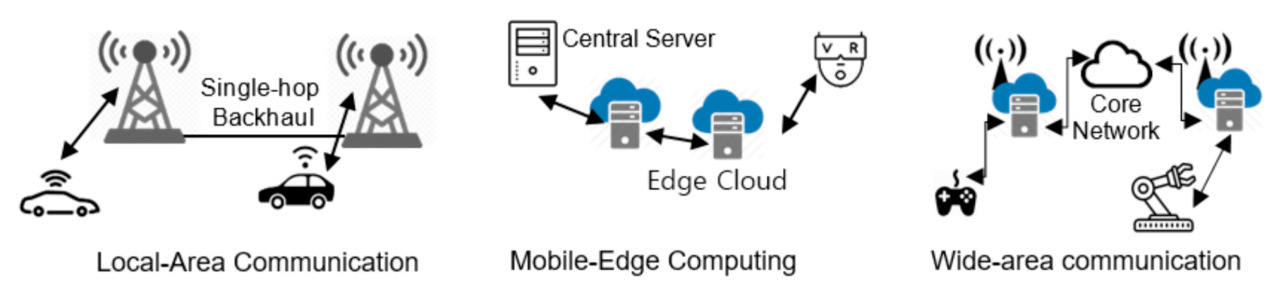
Low-latency data communication systems refer to networks or technologies that minimize the delay in transmitting data packets from the sender to the receiver. These systems are crucial for applications that require real-time interaction, such as online gaming, high-frequency trading, video conferencing, and autonomous vehicles.
Significance of Low-latency Data Communication
Low-latency data communication is vital for ensuring timely and accurate data transmission, especially in scenarios where even a slight delay can have significant consequences. These systems enable seamless communication between devices, reducing lag and improving overall user experience. Faster data transfer speeds also support the efficient operation of real-time applications, enhancing productivity and performance.
Comparison with Traditional Data Transfer Methods
In contrast to traditional data transfer methods, low-latency communication systems prioritize speed and efficiency over other factors. While traditional systems may involve additional processing steps and queuing, low-latency systems aim to eliminate unnecessary delays and prioritize the rapid delivery of data packets. This difference allows low-latency systems to support real-time applications with minimal latency, ensuring smooth and responsive interactions.
Impact on Real-time Applications
The implementation of low-latency data communication systems has revolutionized the performance of real-time applications. With reduced latency and faster data transfer speeds, applications like online gaming, video streaming, and financial trading can operate with greater precision and reliability. Users can experience seamless interactions, instant responses, and minimal delays, enhancing their overall satisfaction and engagement.
Challenges in Implementing Low-latency Data Communication Systems
Despite their numerous benefits, implementing low-latency data communication systems comes with its set of challenges. One of the main obstacles is optimizing network infrastructure to support high-speed data transmission while maintaining reliability and security. Ensuring compatibility with existing systems, minimizing packet loss, and managing network congestion are also key challenges that need to be addressed. Additionally, the cost of deploying and maintaining low-latency systems can be a significant barrier for organizations looking to upgrade their communication networks.
Computers E-Books
E-books have revolutionized the way we access information, especially when it comes to learning about computer-related topics. They offer a wide range of advantages that cater to the needs of modern learners.One of the main advantages of e-books for learning computer-related topics is the convenience they offer. With e-books, you can access a vast library of resources at your fingertips, anytime and anywhere.
This flexibility allows individuals to learn at their own pace and tailor their learning experience to suit their needs.Popular e-book platforms like Amazon Kindle, Apple Books, and Google Play Books provide a plethora of computer resources for individuals looking to expand their knowledge in the field. These platforms offer a variety of e-books ranging from beginner guides to advanced technical manuals, catering to audiences with different levels of expertise.For individuals interested in computer hardware, some must-read e-books include “Upgrading and Repairing PCs” by Scott Mueller, “CompTIA A+ Certification All-in-One Exam Guide” by Mike Meyers, and “The Art of Computer Programming” by Donald Knuth.
These e-books cover a wide range of topics related to computer hardware, providing in-depth knowledge and practical insights for readers.E-books contribute significantly to self-paced learning in the field of computers by allowing individuals to learn at their own speed and revisit concepts as needed. Additionally, e-books often come with interactive features such as quizzes, videos, and simulations, enhancing the learning experience and promoting active engagement with the material.
Advantages of E-Books for Learning Computer-Related Topics
- Convenience of access anytime, anywhere
- Flexibility for self-paced learning
- Wide range of resources catering to different expertise levels
Graphics and Multimedia
Graphics and multimedia play a crucial role in enhancing the user experience on computers by providing visually appealing and interactive content. Whether it’s through stunning graphics in games, engaging videos, or informative infographics, multimedia content adds depth and interest to the overall user interface.
Latest Trends in Graphic Design Software
In the realm of graphic design software, the latest trends focus on enhancing user experience through intuitive interfaces, advanced features like AI-powered tools for quick editing, and seamless integration with other multimedia applications. Some popular graphic design software includes Adobe Creative Cloud, CorelDRAW Graphics Suite, and Canva.
Importance of Graphic Cards
Graphic cards are essential components in computers that are responsible for rendering high-quality graphics and multimedia content. They offload the processing tasks from the CPU, resulting in smoother performance and faster graphics rendering. High-quality graphic cards are crucial for gaming, video editing, and graphic design work.
Impact of Multimedia Content on Data Communication
Multimedia content, such as videos, images, and animations, can have a significant impact on data communication speed and efficiency. Transmitting multimedia content requires more bandwidth and resources compared to text-based data, leading to potential latency issues. However, advancements in data compression techniques and network optimization have helped mitigate these challenges, ensuring smoother transmission of multimedia content over data communication systems.
Computers Hardware
When it comes to computer hardware, understanding the key components is essential for optimizing performance and reliability. From processors to memory, each part plays a vital role in the overall functionality of the system.
Key Components of a Computer Hardware System
- Processor (CPU): Often referred to as the brain of the computer, the processor executes instructions and performs calculations.
- Memory (RAM): Random Access Memory temporarily stores data that the processor needs to access quickly.
- Storage (Hard Drive/SSD): This is where all your files, programs, and operating system are stored for long-term use.
- Motherboard: The main circuit board that connects all the components together and allows them to communicate.
- Graphics Card: Responsible for rendering images and videos for display on the monitor.
Tips for Upgrading Computer Hardware
- Identify the bottleneck: Determine which component is slowing down your system and focus on upgrading that first.
- Research compatibility: Make sure the new hardware you choose is compatible with your existing components and system specifications.
- Consider your needs: Prioritize upgrades based on how you use your computer, whether it’s for gaming, video editing, or everyday tasks.
- Seek professional help: If you’re unsure about how to upgrade your hardware, consult with a computer technician for guidance.
Comparison of Different Types of Processors
- Intel vs. AMD: Intel processors are known for their strong single-core performance, while AMD processors offer more cores for multitasking.
- Speed vs. Efficiency: Some processors may have higher clock speeds but consume more power, while others are more energy-efficient but may sacrifice some speed.
- CPU Cores: Processors with multiple cores can handle more tasks simultaneously, leading to better multitasking capabilities.
Significance of Hardware Compatibility
- Stability and Performance: Ensuring that your hardware components are compatible with each other can prevent system crashes and optimize performance.
- Longevity: Building a reliable computer system with compatible hardware can extend the lifespan of your machine and reduce the need for frequent upgrades.
- Cost-Effectiveness: By choosing compatible components, you can avoid unnecessary expenses on replacements or repairs due to compatibility issues.
Outcome Summary
In a nutshell, Low-latency data communication systems are the future of rapid information exchange, paving the way for seamless connectivity and lightning-fast data transfers. Stay tuned for more exciting developments in this fast-paced tech landscape!
FAQ Summary
What exactly are low-latency data communication systems?
Low-latency data communication systems are specialized networks that minimize delays in transmitting data, ensuring real-time interaction and swift information exchange.
How do low-latency data communication systems differ from traditional data transfer methods?
Unlike traditional methods that may have delays or latency issues, low-latency systems prioritize speed and efficiency, ideal for applications requiring instant data processing.
What challenges are typically faced when implementing low-latency data communication systems?
Implementing low-latency systems can pose difficulties in optimizing network infrastructure, minimizing latency, and ensuring seamless integration with existing technologies.
Why are low-latency data communication systems crucial for real-time applications?
Low-latency systems are essential for real-time applications like online gaming, financial trading, and video streaming, where immediate data processing is paramount for user experience.